

Having a place that’s entirely your own is a big milestone. Whether you’re a student moving out of halls or a young professional getting your first set of keys, living alone gives you the freedom to set your own routine and build a life of your own.
Of course, living alone for the first time also means taking on every bill, chore, and decision yourself, so it’s well worth being prepared before you make the jump. This guide covers everything you need to know before renting by yourself, from budgeting, staying safe, and staying organised to making the most of your new home.
Is living alone right for you?
Living alone suits some people instantly, while others take a little longer to adjust. Before you start searching for a one-bed flat or studio, it’s worth considering a few key areas.
- Affordability: Without housemates to split the rent and bills, your monthly outgoings will usually be higher, so you need to be sure that the place you choose fits your budget.
- Opportunities to socialise: If you recharge by spending time alone, you’ll likely love solo living. If you thrive on having people around, you may need to plan more social time.
- Responsibility: From reporting a repair to remembering bin day, it’s important to prepare for having sole responsibility to ensure everything is done at the right time.
There’s no right or wrong answer to whether living alone is the best option, as it depends on each person. Thinking through how you’d feel day to day will help you decide whether living alone, or living in a house share, is the better fit.
The benefits of living alone
The benefits of living alone go far beyond having the TV remote and snack cupboard to yourself. Here are some of the biggest advantages of living alone. For many, they’re well worth the extra cost.
- Freedom and independence: Eat, sleep, and have friends around whenever you want without having to check with anyone first.
- Privacy: No waiting for the bathroom or working around others in the kitchen.
- Peace and quiet: For students, a quiet home makes revision far easier. For professionals, it’s somewhere to properly switch off after work or focus while working from home.
- Your space, your way: Keep it as tidy or relaxed as you like, and make it feel like home without needing to agree with someone else on décor.
- No housemate disagreements: No arguments about washing up, noise, or who finished the milk.
- Personal growth: Managing a home on your own builds confidence, budgeting skills, and self-reliance that will stay with you long after your tenancy ends.
The disadvantages of living alone
Of course, there are some disadvantages of living alone too. Knowing what to expect means you can plan for them, rather than being caught off guard.
- Higher costs: You’ll pay the full rent and every bill yourself, so living alone is usually more expensive than sharing.
- Loneliness: Coming home to an empty flat can sometimes feel isolating if you aren’t used to it, especially in the first few weeks.
- All the chores are yours: Cooking, cleaning, laundry, and taking the bins out all fall to you.
- No backup: If you’re ill, locked out, or something breaks, there’s nobody in the house to help.
- Safety concerns: Some people feel less secure living on their own, particularly at night.
None of these are reasons not to live alone, though. With a realistic budget, a good routine, and a strong support network, they’re all very manageable.
The cost of living alone in the UK
The cost of living alone in the UK depends on where you live, the size of your property, and your lifestyle. The biggest difference compared with a house share is that none of your bills get split, so it’s important to know exactly what you’ll be paying for.
Typical monthly costs include:
- Rent
- Gas and electricity
- Water
- Council tax
- Broadband
- TV licence, if you watch live TV or BBC iPlayer
- Contents insurance
- Groceries, toiletries, and cleaning products
- Transport
- Phone contract and subscriptions
- Social spending.
However, there are also some savings available when you live alone. If you’re the only adult living in a property, you can usually claim a 25% single person discount on your council tax. Full-time students are usually exempt from council tax altogether, so make sure you apply for these exemptions through your local council if you’re eligible.
Energy costs are also worth thinking about. Because you’re paying to heat and power a home on your own, a property’s energy efficiency can make a real difference to your bills, especially in winter. The more energy efficient a property is, the cheaper the bills are.
Renting alone for the first time: What to consider
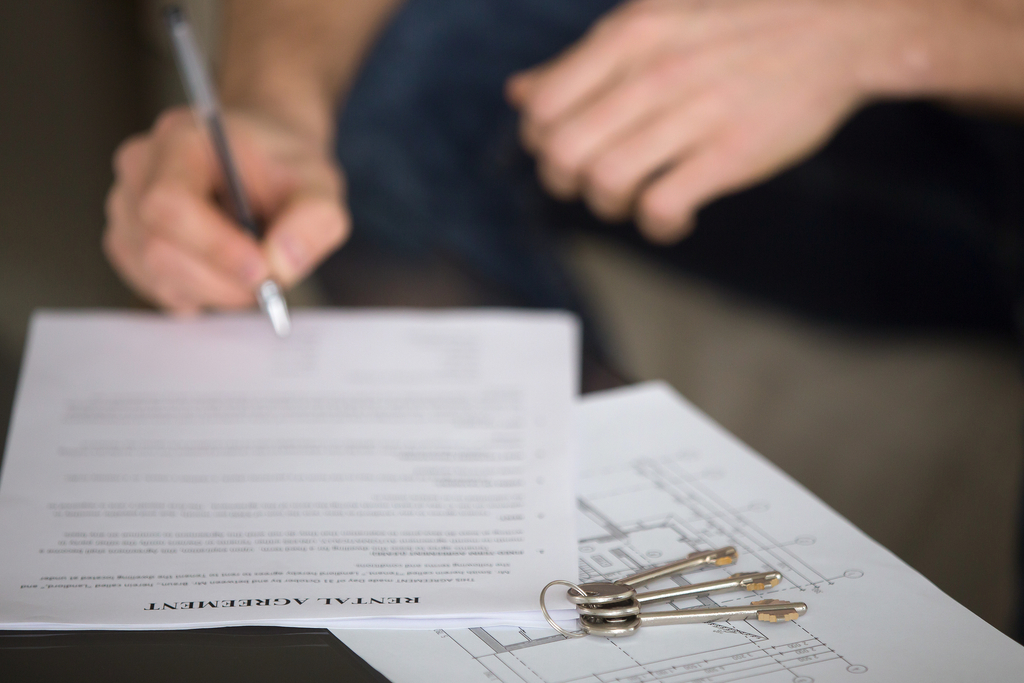
If you’re renting alone for the first time, there are a few extra things to think about compared with renting in a group.
What you can realistically afford
Your budget is entirely your own, so it needs to cover everything. A general rule of thumb is that your rent shouldn’t be more than around a third of your take-home pay. Factor in your bills and everyday costs too, as well as a monthly fund for spending time with friends and family. The ideal is to also leave a little left over each month to build an emergency fund, as you never know when an unexpected expense might pop up.
The property size and location
A studio or one-bed apartment is usually the most practical choice when living alone, as there’s less space to heat, clean, and furnish. Think about how close you’ll be to your university or place of work, public transport, shops, and friends. Being near people and amenities can make living alone feel far more convenient and enjoyable.
Which bills you’ll be responsible for
When you live alone, you’re fully responsible for all the household bills. This usually includes gas, electricity, water, council tax, and broadband. Find out how bills are set up at the property and how to arrange your utilities before moving day, so you know what to organise and how much to set aside each month.
What’s included in the rent
Some properties include certain bills in the rent, which makes budgeting simpler. For example, Pickard Properties offers bills-inclusive packages on eligible student properties so you can combine your rent and included bills into one predictable monthly payment.
Furnished vs unfurnished properties
Furnishing a home from scratch on your own can be expensive. A furnished property usually comes with the basics, such as a bed, sofa, and fridge-freezer, making it a great option for students and anyone moving out for the first time. Unfurnished properties give you more freedom to make the space your own, but you’ll need to budget for the initial furniture costs alongside your tenancy deposit.
Whether a property meets your needs
At a viewing, think about how well the property will work for your day-to-day life. Is there enough storage? Does the front door feel secure? Is there space to work or study? Check for damp, test the heating, and ask about the property’s EPC rating to get an idea of its energy efficiency.
Your tenancy and responsibilities
Read your tenancy agreement carefully before you sign. As the sole tenant, you’re responsible for paying the full rent on time and keeping the property in good condition. If anything is unclear, ask your letting agent to explain it before you commit.
The upfront costs
Before moving in, you’ll usually need to pay a tenancy deposit (typically up to five weeks’ rent for professional homes) and your first month’s rent in advance. Your deposit must be protected in a government-approved Tenancy Deposit Protection scheme, so you will get it back at the end of your tenancy, minus any deductions such as unpaid rent or damage beyond general wear and tear. Don’t forget moving costs and household essentials, too. You may need to hire a van, buy furniture or pick up everyday items once you move in.
Contents insurance
When you live alone, it’s also worth thinking about how you’ll protect your belongings. Contents insurance can cover items such as your laptop, phone, television, and other valuables against theft, fire, or water damage, and is usually inexpensive for a small property.
Who to contact if something goes wrong
With nobody else in the house, it’s important to know exactly who to call if something goes wrong, from a broken boiler to a leaking pipe. Save your landlord or letting agent’s contact details, including any out-of-hours emergency number. Tenants of Pickard Properties can report maintenance online at any time, giving you peace of mind that problems can be easily flagged if they arise.
Tips for living alone for the first time
Settling into a new home takes time, but a few simple habits can make all the difference.
- Build a routine: Regular times for meals, exercise, and sleep give your days structure, especially if you study or work from home.
- Set up a bills budget: Put money aside for bills as soon as you’re paid, and consider setting up standing orders or direct debits so nothing gets missed.
- Learn a few easy meals: Batch cooking and freezing portions stops you from relying on takeaways and saves money.
- Keep on top of chores: Little and often is easier than one big clean at the weekend.
- Stock up on essentials: A basic toolkit, spare bulbs, a first aid kit, and a torch will help you handle small problems on your own.
- Know your property: Find out where your stopcock, fuse box, and utility meters are when you move in.
- Make it feel like home: Plants, photos, and a few home comforts help a new place feel like yours.
Staying safe when living alone
Feeling safe at home is essential, and a few sensible precautions go a long way.
- Lock up every time: Lock doors and windows before bed and when you go out, even if you’re only popping out for a few minutes.
- Check your alarms: Test your smoke alarm and carbon monoxide alarm regularly, and report any faults to your landlord straight away.
- Protect your privacy: Be mindful about sharing personal details or information about when your home will be empty on social media.
- Check before opening the door: Ask callers for ID, and don’t let anyone in claiming to be a tradesperson unless your landlord or agent has told you they’re coming.
- Share your plans: Let a friend or family member know if you’re travelling or getting home late, and consider sharing your location with someone you trust.
- Keep a spare key safe: Leave one with a trusted friend nearby rather than hiding it outside.
How to cope with loneliness when living alone
Living alone and loneliness don’t have to go hand in hand, but it’s completely normal to feel lonely from time to time, particularly in the early weeks. Here are a few ways to stay connected, meet people and enjoy your independence.
- Plan social time: Put regular plans in your diary, whether it’s a weekly call with family, dinner with friends, or a coffee with a coursemate or colleague.
- Join something: University societies, sports clubs, gyms, running groups, and volunteering are all great ways to meet people.
- Get out of the house: Studying or working from a café or library now and again gives you a change of scenery and a sense of being around others.
- Invite people round: One of the perks of having your own place is being able to invite friends and family over whenever it suits you.
- Get to know your neighbours: A friendly hello can lead to a useful local contact, and perhaps someone you can rely on for help when you might need it.
- Look after yourself: Regular exercise, fresh air, and good sleep all help your mood.
If you’re finding the adjustment difficult, talk to someone you trust. Students can contact their university’s wellbeing service, and anyone can speak to their GP or a charity such as Mind or Samaritans.
Living alone or sharing a house: Which is right for you?
Both options have their advantages, and the right choice depends on your budget, lifestyle, and personality.
| Living alone | Sharing a house | |
| Cost | Higher, as you’ll be paying all the bills yourself. | Lower, as costs are split. |
| Privacy | More privacy and your own space. | Shared kitchen, living space, and often bathroom. |
| Social life | Onus on you to plan your social activities. | Company at home. |
| Responsibilities | You’re responsible for your own household chores. | Shared between housemates. |
| Independence | Total control over your own space. | Compromise on house rules. |
If you value privacy and quiet, and your budget allows, living alone could be perfect for you. If you’d rather keep costs down and enjoy having people around, a student house share or professional house share may suit you better.
Find your own place with Pickard Properties
Living alone is an exciting step towards independence. With a realistic budget, a clear understanding of your responsibilities, and a plan for staying safe and connected, you’ll be ready to make the most of having your own space.
At Pickard Properties, we boast more than 50 years’ experience helping students and professionals find their perfect home in Leeds. If you’re looking for your first studio or one-bed apartment, our friendly team is here to help. Get in touch today to start your search.
Frequently asked questions
What is the cost of living alone in the UK?
It varies by location and property size, but you’ll be paying rent, energy, water, council tax, broadband, and everyday living costs on your own. Many people living alone qualify for a 25% single person discount on council tax, which helps bring costs down.
Is living alone good for you?
For many people, yes. Living alone builds independence, confidence, and life skills, and gives you space to recharge. The key is balancing time alone with regular social contact.
How do you cope with living alone for the first time?
Start with a simple routine, keep in regular touch with friends and family, and get to know your local area. Most people find it gets easier within a few weeks.
Can students live alone?
Yes. Many students choose a studio or one-bed flat for extra privacy and quiet study space. Full-time students are usually exempt from council tax too.
What size property should I rent if I’m living alone?
A studio or one-bed apartment is usually the best fit. It’s easier to heat, clean, and furnish, and keeps your rent and bills more manageable.